


GitHub Universe 2026 recap: Copilot Fusion, agents and code review
What GitHub announced at Universe 2026, from a dedicated Copilot app and multi-model routing to cross-repository projects, automations and deeper code review.
Practical guides for teams shipping production AI: agents, automation, rescuing AI-built prototypes, and web and mobile product engineering. Each article answers one buyer question with trade-offs, not hype.
What GitHub announced at Universe 2026, from a dedicated Copilot app and multi-model routing to cross-repository projects, automations and deeper code review.
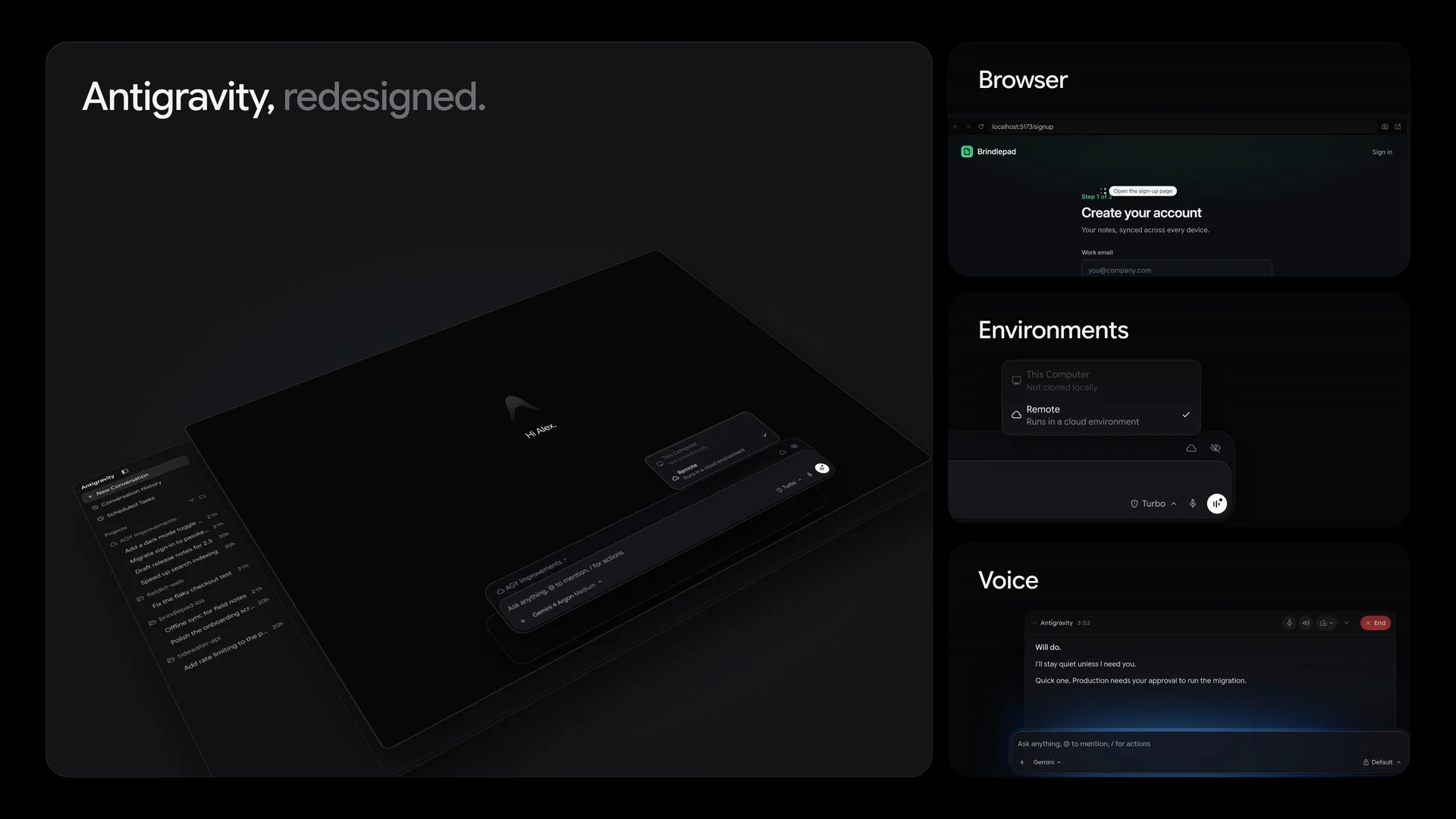
Google packages skills, MCP servers and agent configuration into installable plugins for Antigravity App and CLI. Here’s how to test one on a real development workflow.

A workload guide to Microsoft’s MAI models, covering Cyber, Code, Voice, Transcribe, Thinking and the Image 2.7 preview.

A practical look at agent-assisted Android development, on-device AI, native agent interfaces, XR, smart glasses, and automotive products.

Apple has announced its touchscreen MacBook Pro. Here is what is confirmed, and how product teams can prepare useful apps for another way to interact.
Firebase is strongest for mobile-first products that need realtime sync, push and a managed Google ecosystem. Supabase is strongest when your AI features lean on relational data, SQL and vector search in Postgres. Here is how to choose by workload.
A FlutterFlow app that looks finished in the builder still needs three workstreams before it is production-ready: isolated custom code, Firebase rules that match real roles, and a release process that survives store review.
FlutterFlow is fast for screens and standard data flows, and it gets harder around custom logic, release engineering and team workflows. Here is how to decide what kind of help you need, and when exporting code is the right call.
Portfolios and hourly rates say little about how a vendor handles store releases, data ownership and the months after launch. These 15 questions do.
A Next.js site that renders correctly is not yet a production setup. Environments, secrets, caching, middleware, third-party scripts, background work and monitoring are what separate the two.
Public and custom Shopify apps have different review, billing and data obligations. AI features add running costs and data-scope questions on top. Here is how to choose, and which AI features are worth building.